The Project:
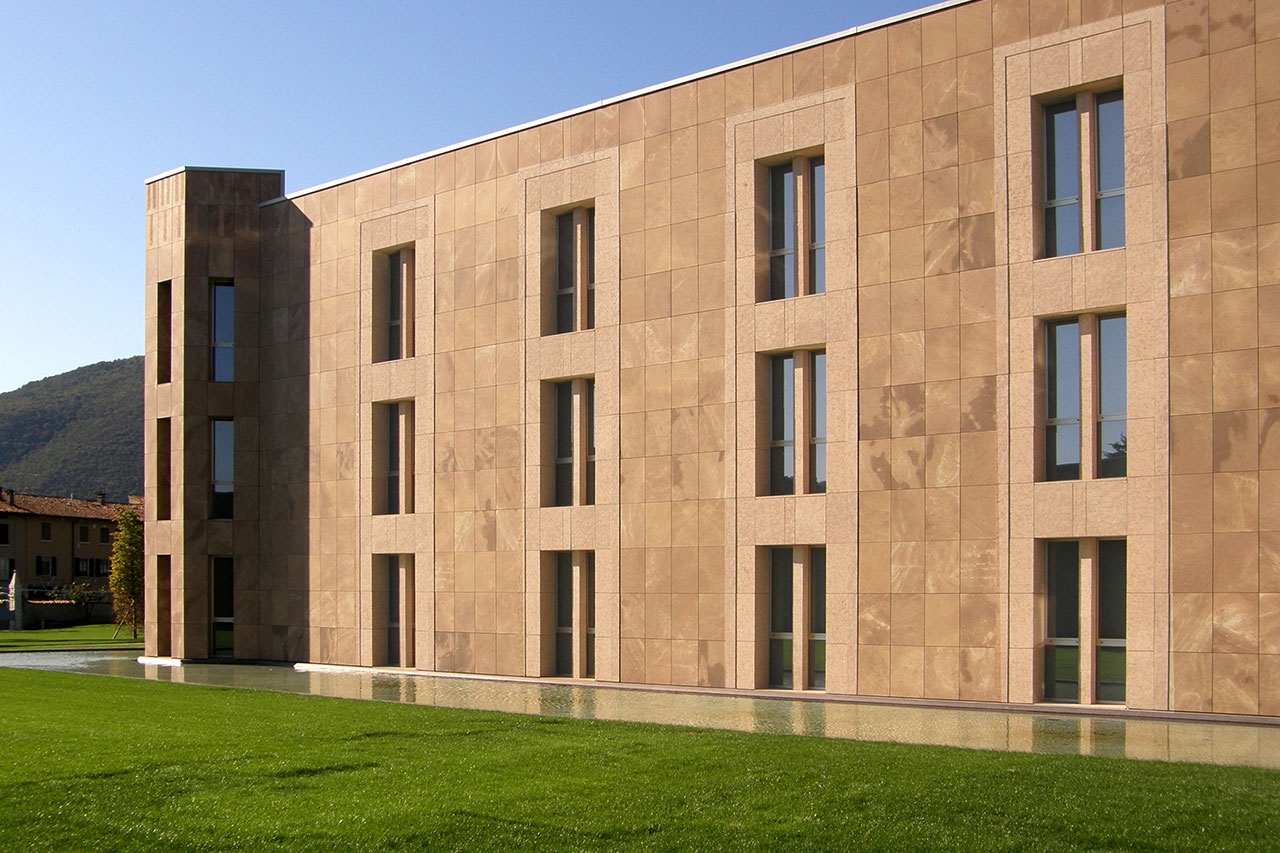
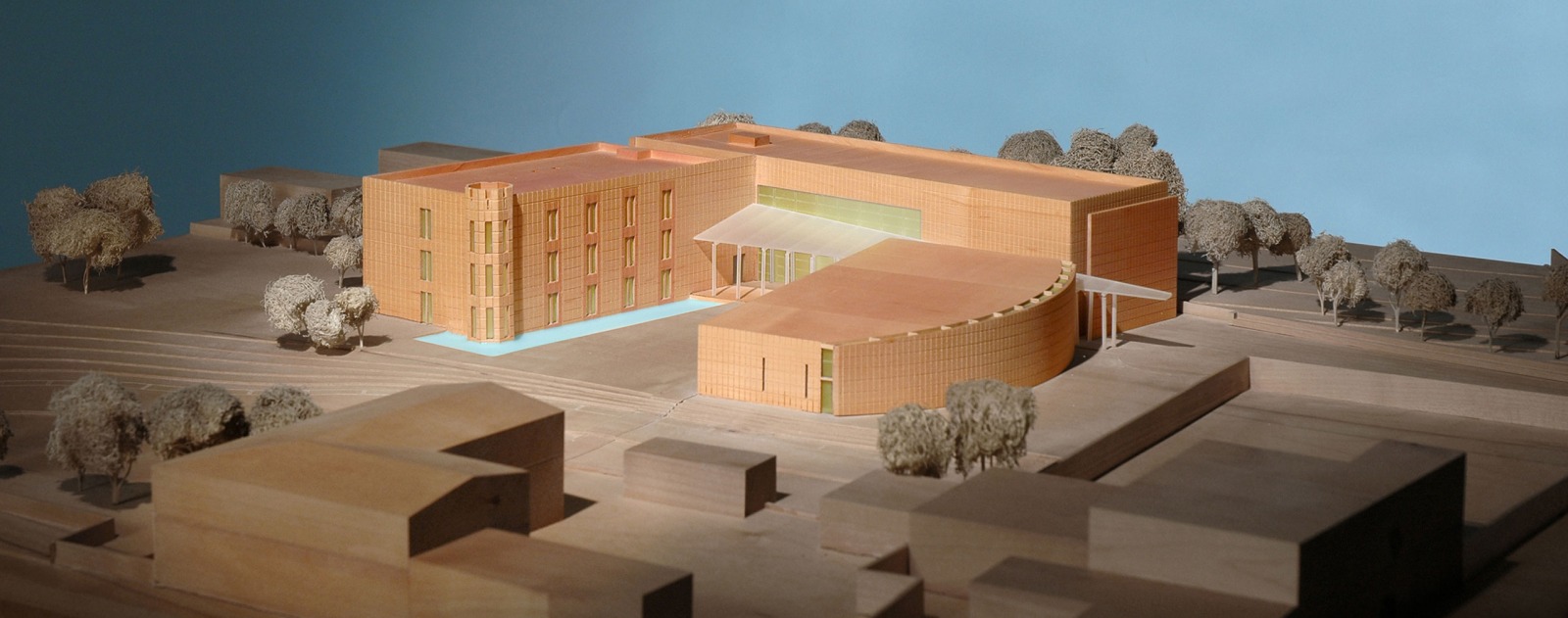
The design of the Paolo VI Study Center in Concesio stems from the dialogue between architecture, memory, and landscape.
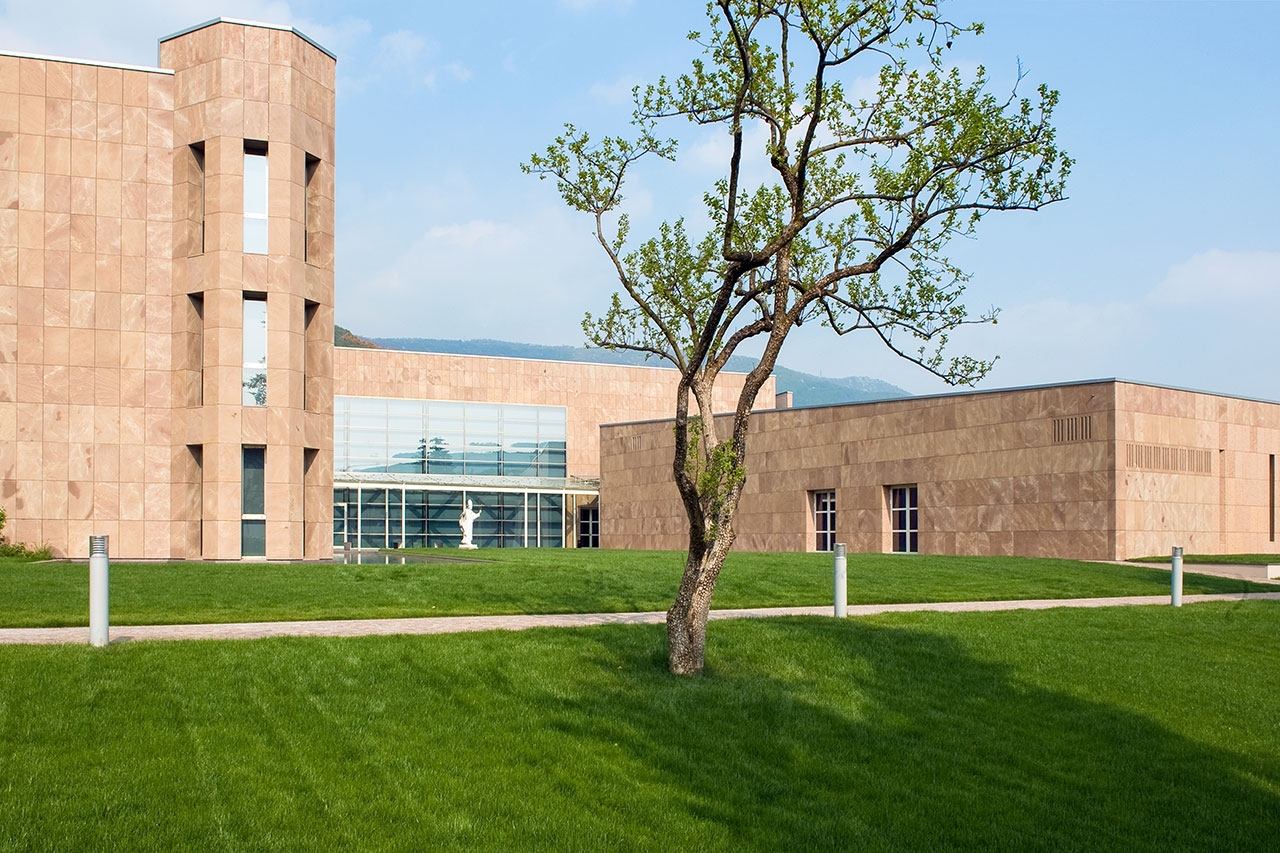
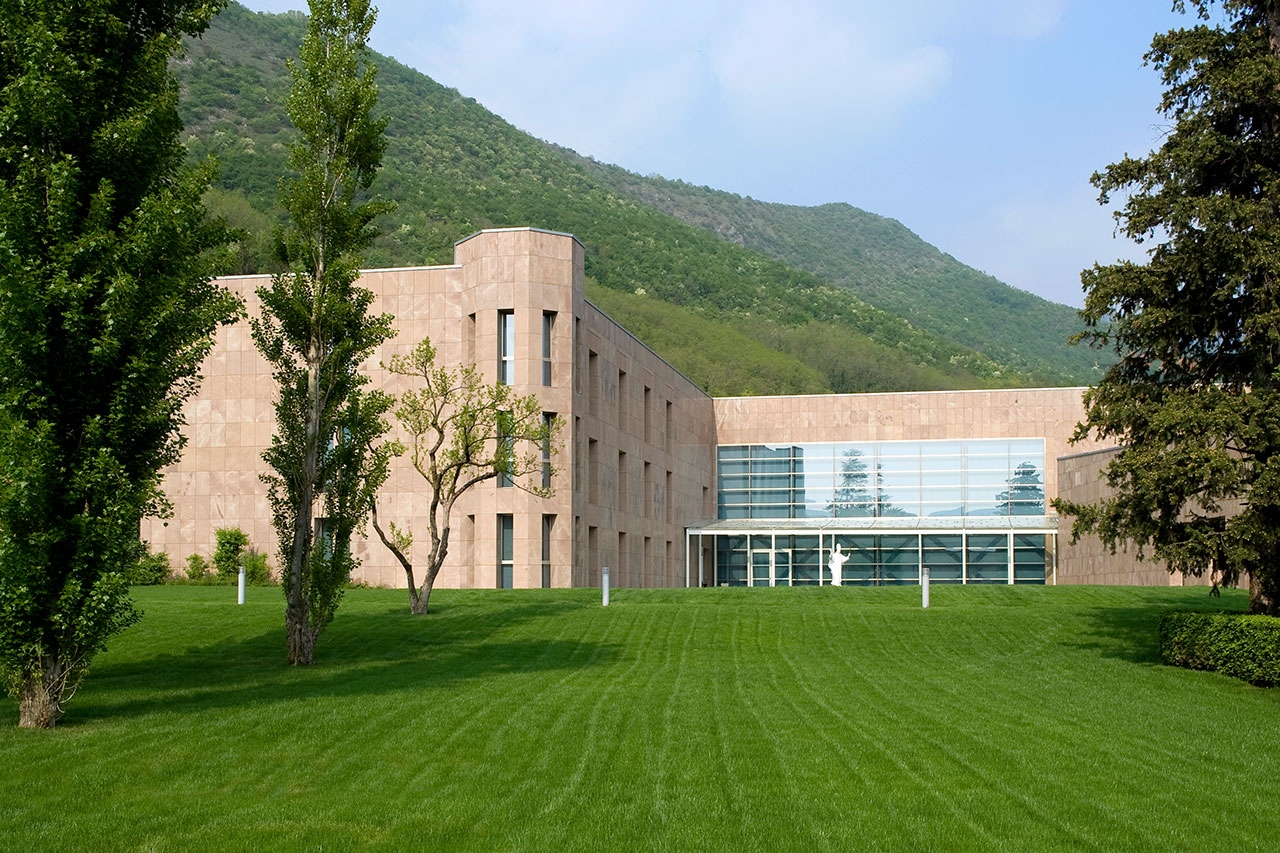
The project stands alongside the birthplace of the Pope from Brescia, establishing a balanced relationship with the historical significance of the site and the hilly landscape of the Val Trompia area.
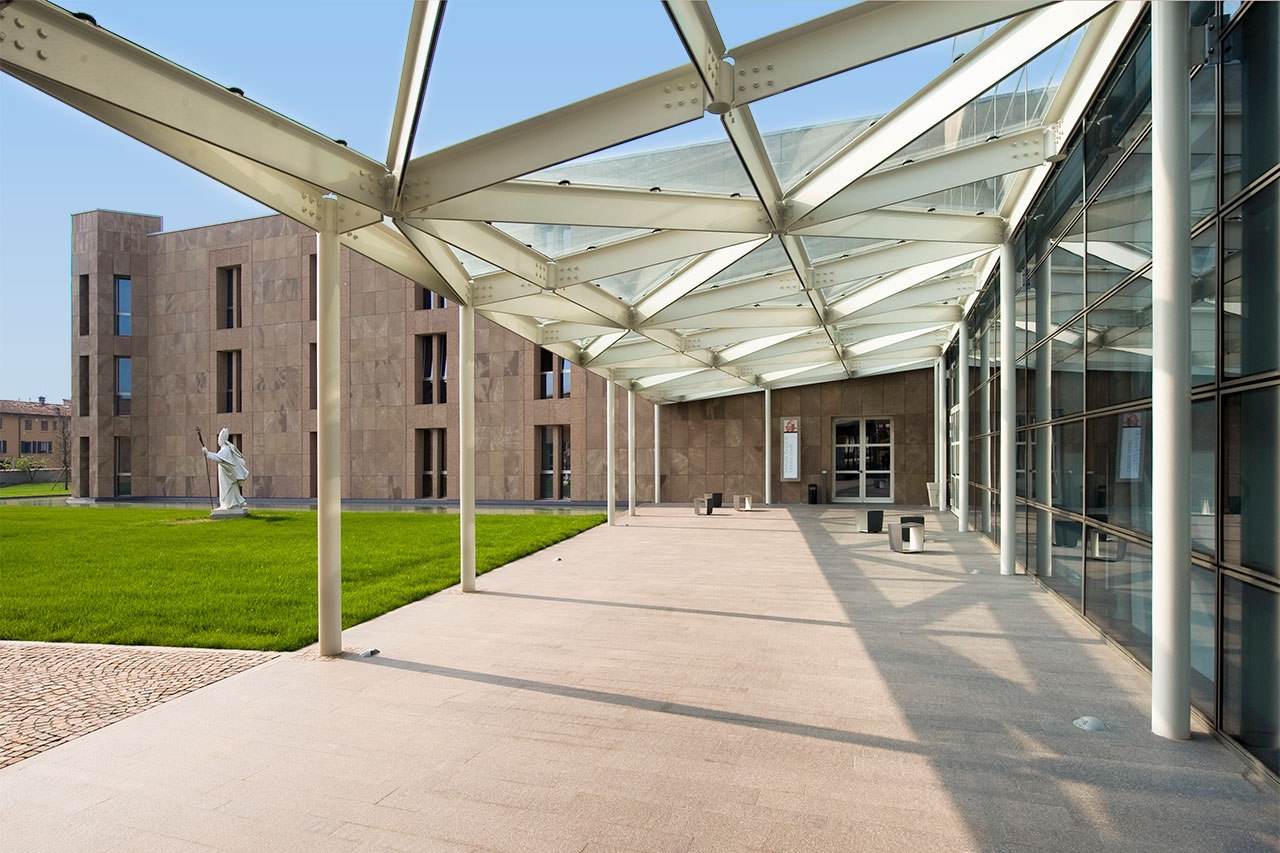
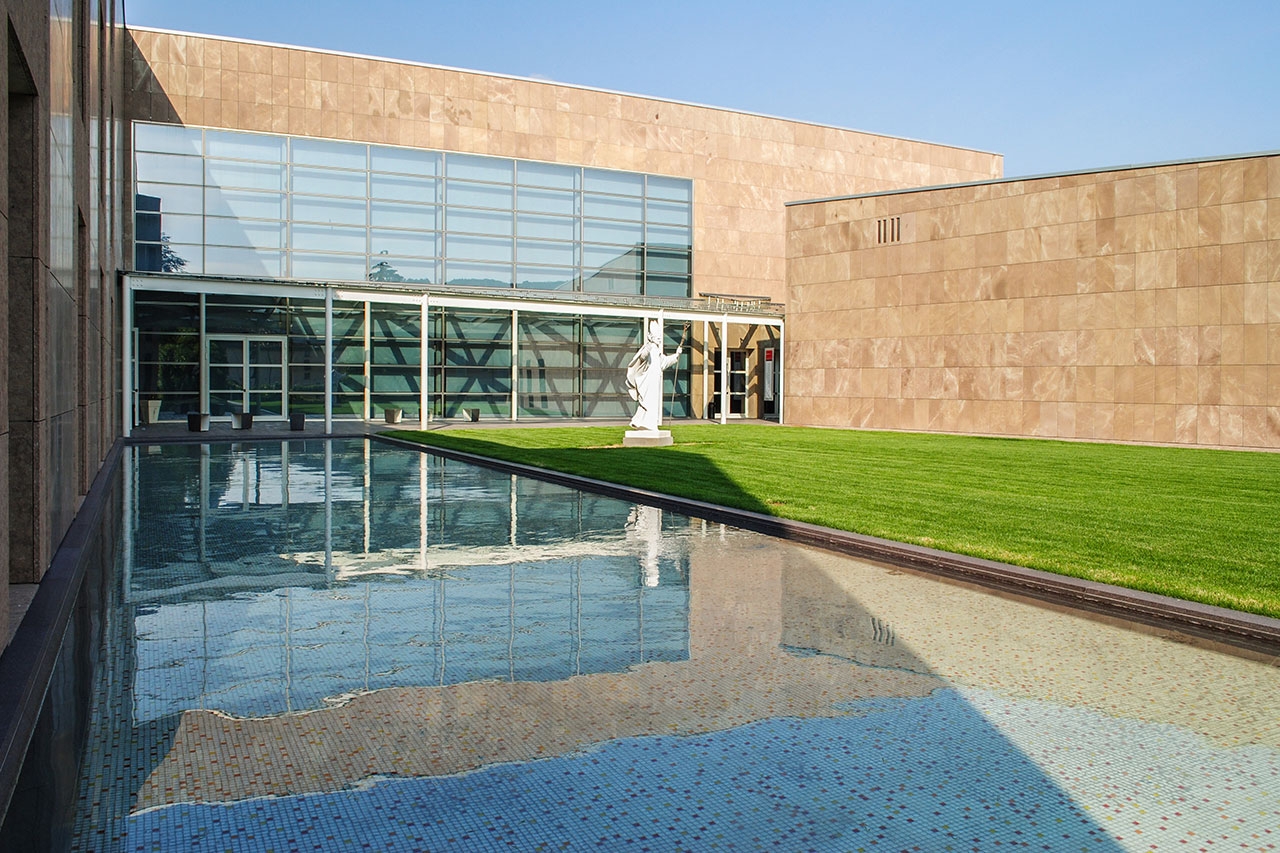
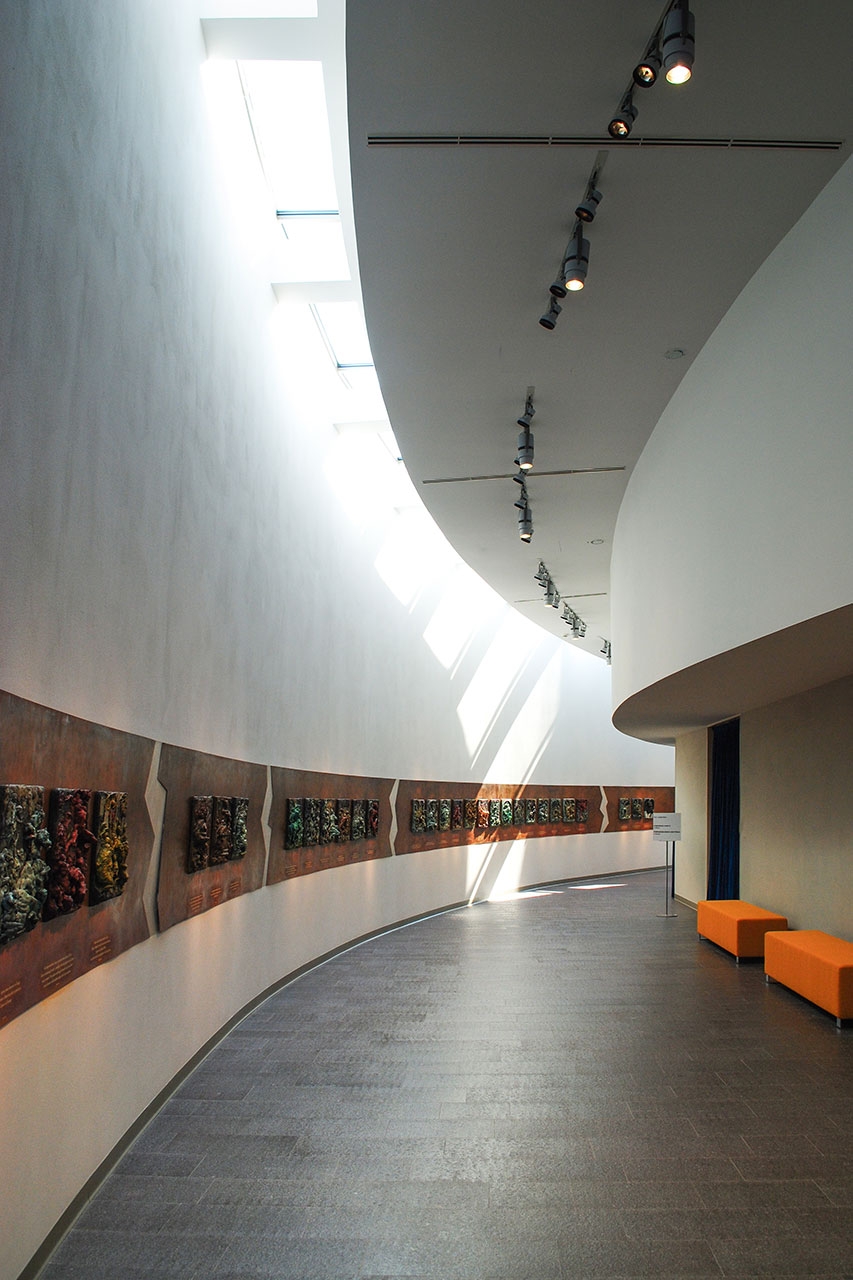
The architecture is conceived as a connecting element between interior and exterior spaces, between contemporary research and historical memory. The large glazed surfaces of the museum building create a continuous visual relationship between the landscape and the Birthplace of Pope Paul VI, transforming light and transparency into narrative tools of the project.
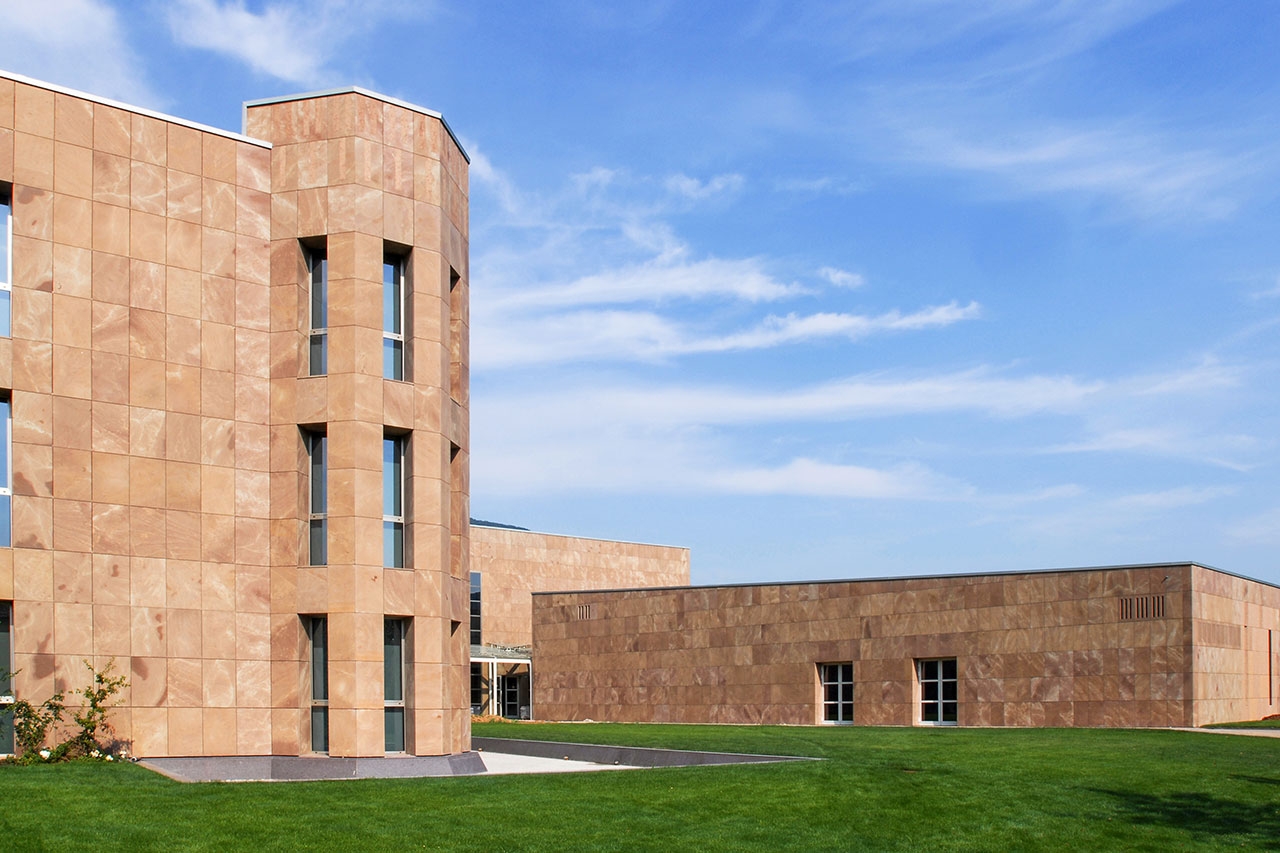
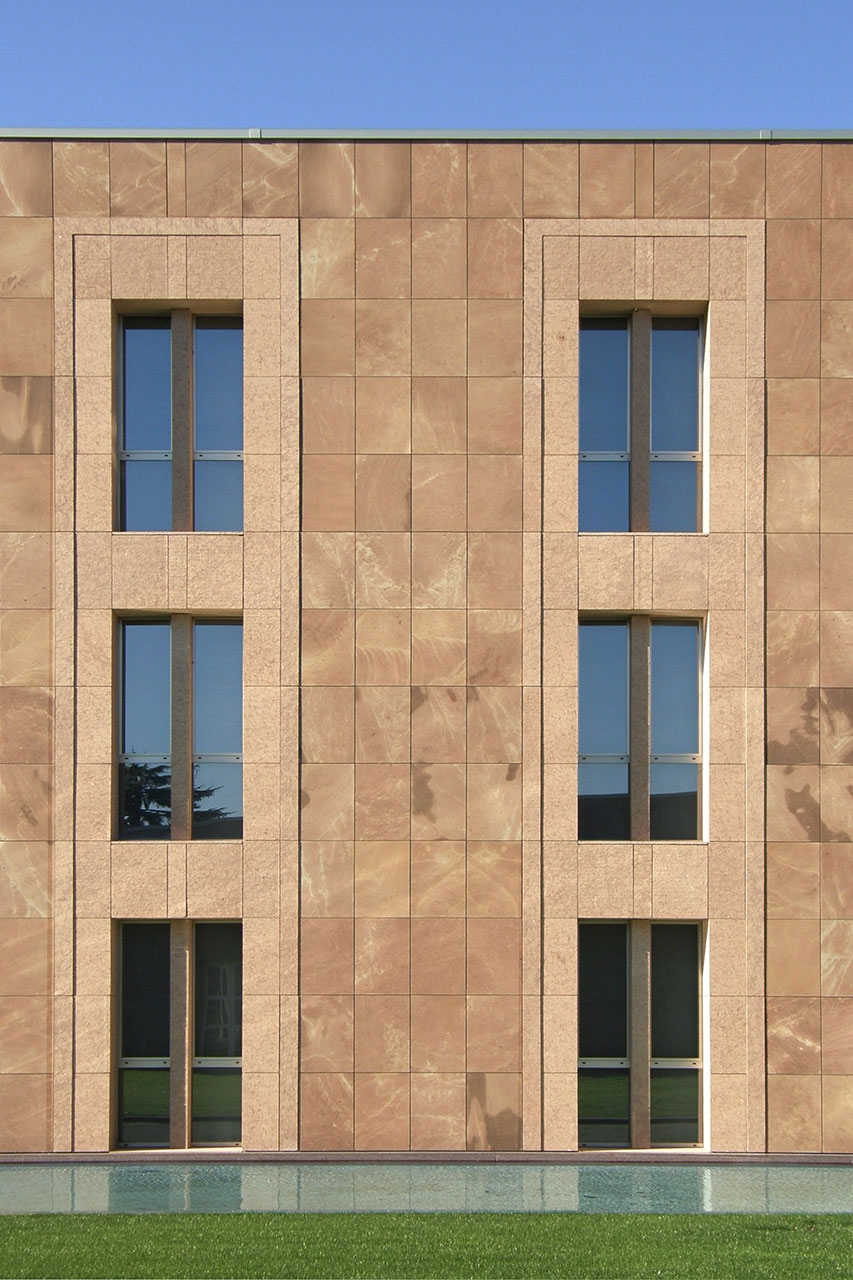
Every detail has been designed to contribute to the perceptual quality of the spaces: materials, proportions, and geometries define an essential and rigorous language, capable of guiding visitors through a path of knowledge and contemplation.
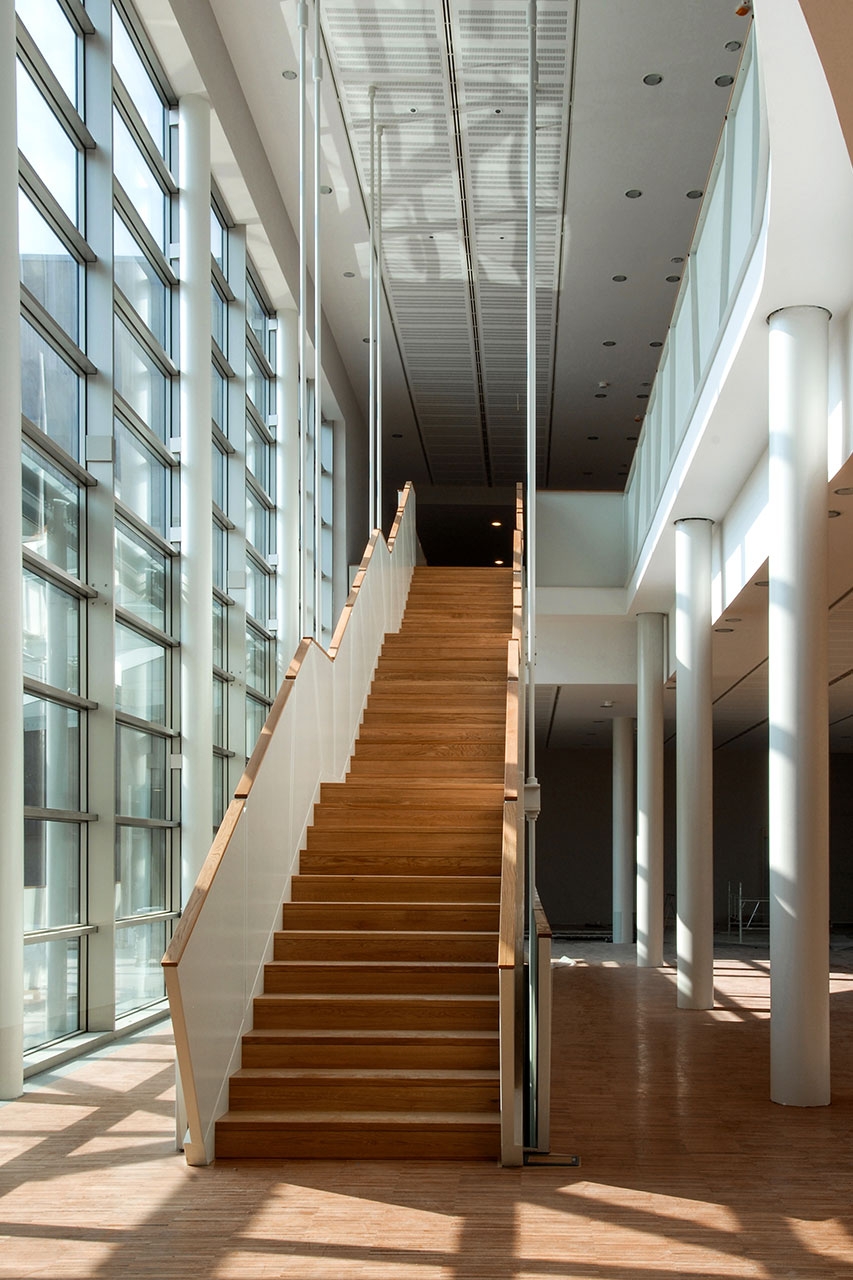
Even functional elements, such as the staircase and circulation areas, take on both symbolic and architectural value, becoming an integral part of the Study Center experience.
A project developed with particular attention to the balance between identity, contemporaneity, and connection with the surrounding context.